FAQs
Men's Health Questions? Expert Answers Here

What are essential nutrients for men?
Proper nutrition forms the foundation of men's health. Building muscle, maintaining energy levels, and supporting cardiovascular function all depend on consuming the right balance of proteins, healthy fats, and complex carbohydrates. A nutritionist can help you create a personalized eating plan that addresses your specific health goals and lifestyle needs.
Why is nutrition crucial for male fitness?
Men's bodies have unique nutritional requirements that differ from women's. Adequate protein intake supports muscle recovery and growth, while micronutrients like zinc and magnesium regulate testosterone levels and overall hormonal balance. Consistent, nutrient-dense meals provide sustained energy for workouts and daily activities, enhancing performance and recovery.
What key nutrients should men prioritize in their diet?
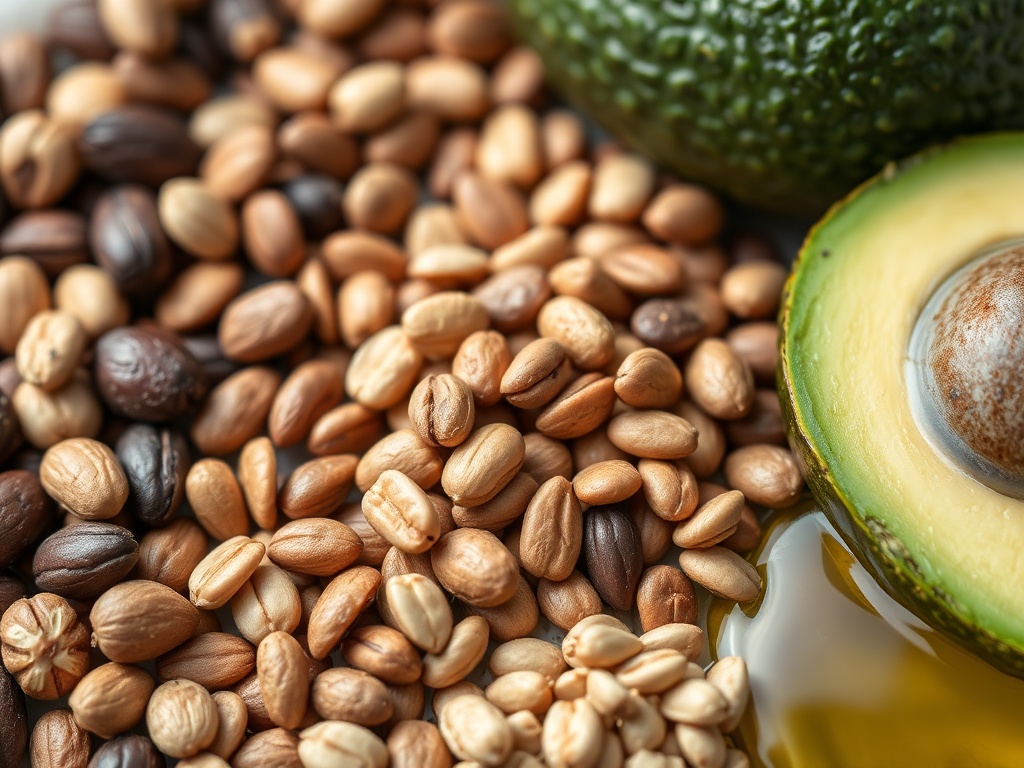
Focus on lean proteins like chicken, fish, and eggs for muscle building. Include whole grains for sustained energy and digestive health. Add fruits and vegetables rich in antioxidants to reduce inflammation. Don't forget healthy fats from avocados, nuts, and olive oil for hormone production and brain function. Proper hydration is equally important for all bodily functions.
How much protein do men need daily?
Most active men require between 1.6 to 2.2 grams of protein per kilogram of body weight daily, especially if engaging in strength training. This supports muscle repair and adaptation after workouts. Spreading protein throughout the day in balanced meals and snacks optimizes muscle protein synthesis. A nutritionist can calculate your exact needs based on your goals.
What's the best meal timing for men's fitness?
Eating a balanced meal two to three hours before exercise provides sustained energy. Post-workout nutrition within thirty to sixty minutes helps kickstart recovery by delivering protein and carbohydrates to exhausted muscles. Regular meal timing stabilizes blood sugar, reduces cravings, and supports consistent energy levels throughout your day and training sessions.
How can men improve cardiovascular health?
Incorporating omega-3 fatty acids from salmon, walnuts, and flaxseeds supports heart health and reduces inflammation. Limiting sodium intake helps maintain healthy blood pressure. Regular aerobic exercise combined with strength training creates optimal cardiovascular benefits. A balanced diet low in saturated fats and high in fiber promotes sustained heart health and overall wellness.
Ready to transform your health? Contact our nutrition experts today

Can supplements replace whole food nutrition?
Whole foods should always be your primary source of nutrients because they contain fiber, phytonutrients, and other compounds that supplements cannot fully replicate. Supplements fill specific gaps when diet falls short, but they work best alongside nutritious meals. Always consult a nutritionist before adding supplements to ensure they align with your goals.
What dietary changes improve energy levels?
Eliminate refined sugars and processed foods that cause energy crashes. Swap them for complex carbohydrates, lean proteins, and healthy fats that provide steady fuel. Regular meal timing prevents energy dips. Staying hydrated throughout the day maintains cognitive function and physical performance. Quality sleep combined with proper nutrition creates the ideal foundation for sustained energy.
How does nutrition impact muscle building and recovery?
Muscle growth requires adequate protein to repair microscopic damage from training. Carbohydrates replenish glycogen stores depleted during exercise. Antioxidant-rich foods reduce inflammation and support faster recovery. Proper hydration facilitates nutrient delivery to muscles. Sleep and consistent training matter equally. Together, nutrition and recovery strategies maximize your fitness results.
What role does hydration play in men's health?
Water regulates body temperature, transports nutrients, and supports cognitive function and athletic performance. Most men need at least eight glasses daily, more if exercising regularly. Dehydration reduces strength, endurance, and mental clarity. Monitoring urine color ensures adequate hydration. Electrolytes from coconut water or sports drinks replenish minerals lost through sweat.
Should men follow specific dietary patterns?
Mediterranean, DASH, and high-protein diets all benefit men's health depending on individual goals. The Mediterranean diet emphasizes heart health with olive oil and fish. High-protein approaches support muscle building. DASH reduces blood pressure naturally. The best diet is one you'll maintain consistently. A nutritionist helps identify which eating pattern matches your lifestyle and objectives.
How can men manage weight healthily?
Sustainable weight management combines calorie awareness with nutrient-dense foods. Protein increases satiety and preserves muscle during weight loss. Regular strength training maintains metabolism. Reducing liquid calories from sodas and alcohol significantly impacts results. Progress tracking through measurements and how clothes fit matters more than scale weight. Patience and consistency yield lasting results.


Get your personalized nutrition assessment
Transform your health with science-backed nutrition advice